Mobile banking · Concept
Split the bill
Barclays conceptual feature: split a payment from your current account across friends, send requests and keep everyone aligned—inside the app you already use.
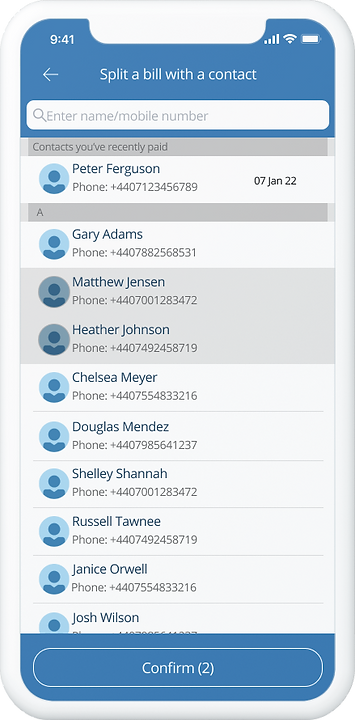
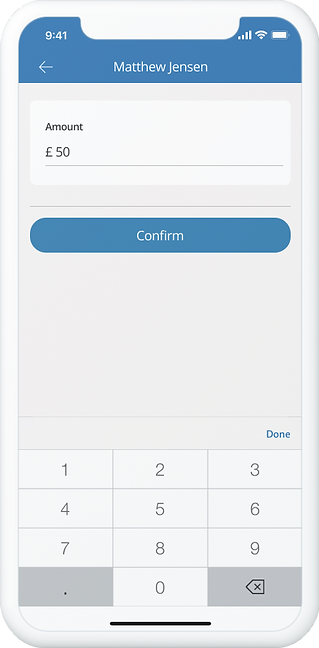
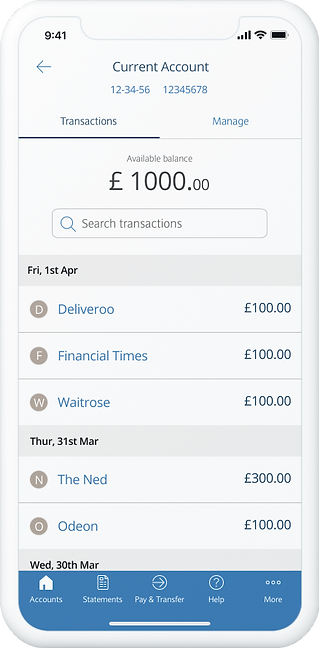
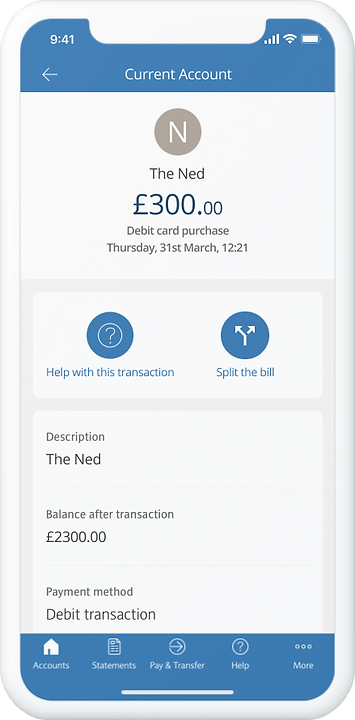
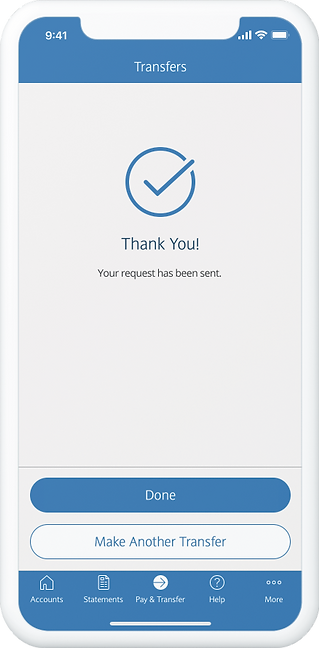
The product
Paym is a feature in the Barclays Mobile Banking app for sending and receiving money using a mobile number. Users activate it in the app. It works well for one-to-one payments but does not support splitting a bill across several people in one flow.
The problem
Without split-the-bill, people still need several separate requests or workarounds. That feels clunky compared to a single, central flow where one transaction is shared across chosen contacts with clear amounts each person owes.
The goals
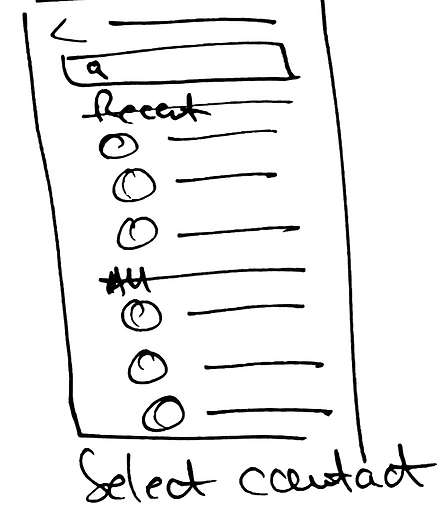
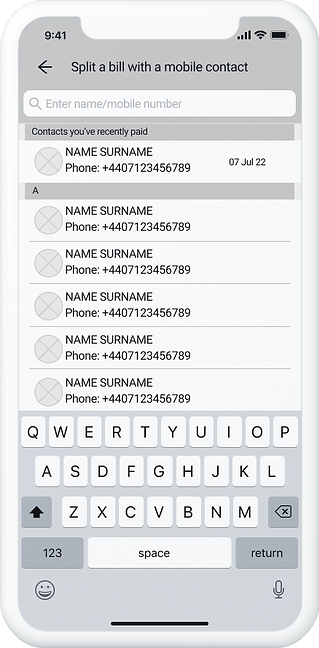
- Find and select contacts to send payment requests to
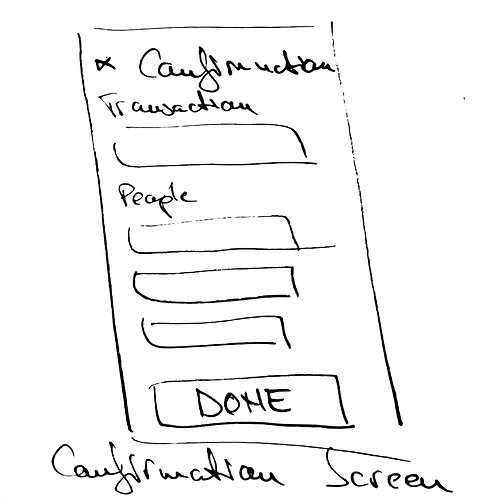
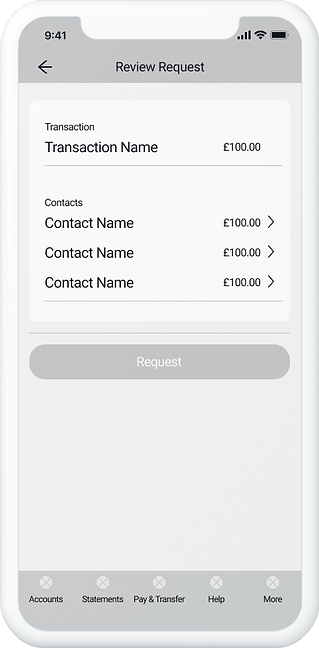
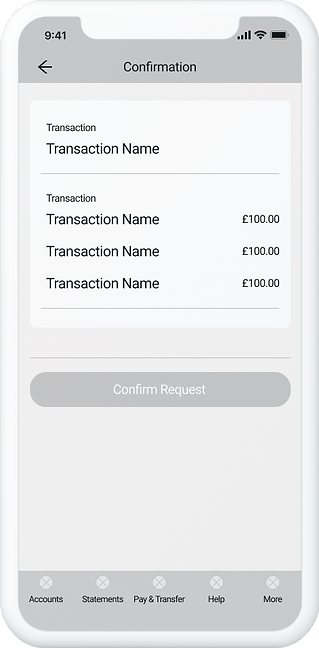
- Create an overview of how much each contact should contribute
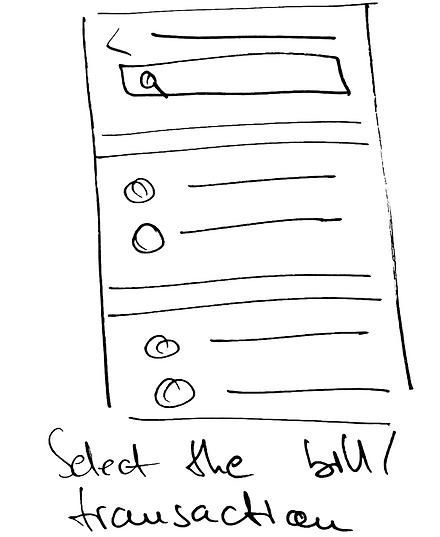
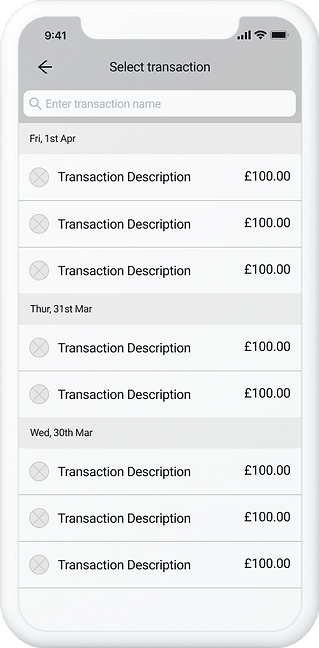
- Select the transaction the user wants to split
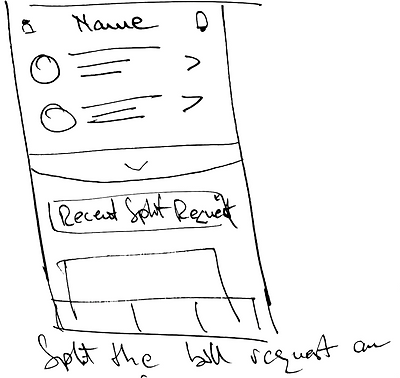
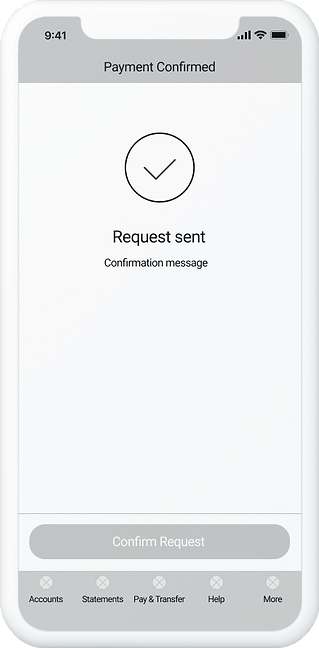
- Surface an active request in the app so the user can see progress at a glance
Design process
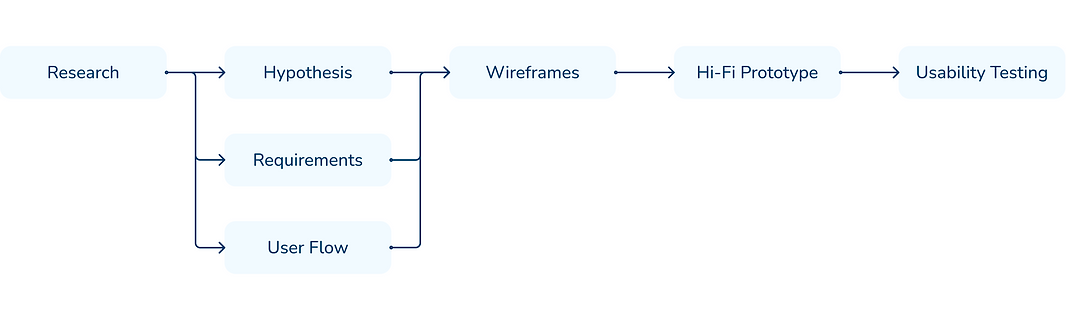
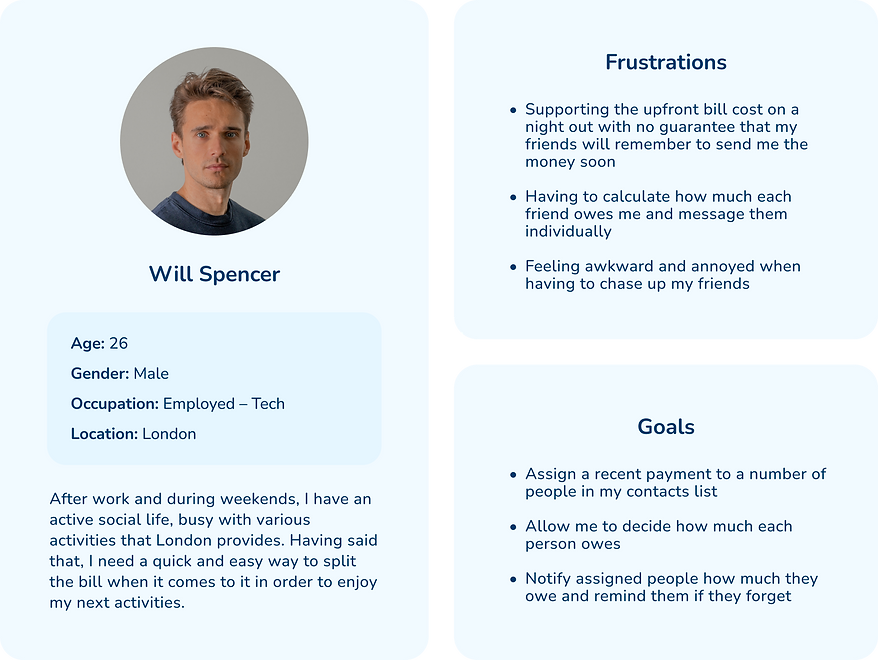
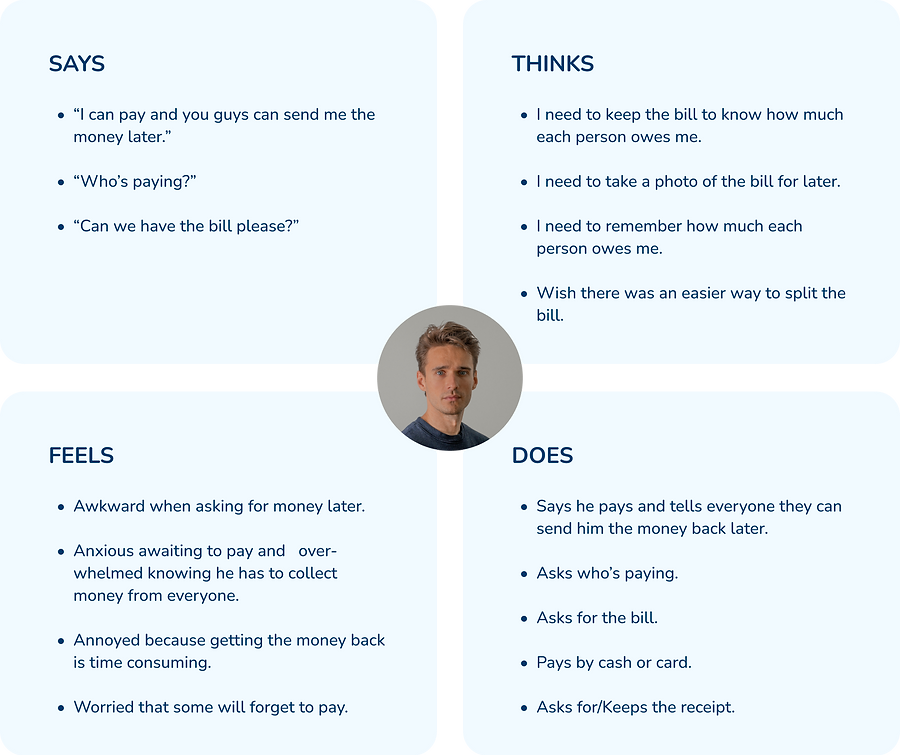
I started with research: user interviews with Barclays Mobile Banking customers to understand behaviour and pain points around splitting costs. From there I defined a persona and empathy map, moved into wireframes, then a high-fidelity prototype. I ran five remote usability sessions; feedback was broadly positive and simple to follow, with iterations from what people said in the sessions.
User interviews
I interviewed five existing Barclays app users over video about how they split bills today and what gets in the way. Example questions included: how they split bills with friends, how they chose that method, how simple it feels, the last time they tried, likes and pain points, workarounds, and whether they would prefer something inside the banking app.
Takeaways
- Asking each person individually is time-consuming and awkward
- Paying upfront can be a large amount and people forget to pay back
- Everyone described the current process as not simple
- Tracking who paid and chasing people is a mental burden
- People would rather not rely on separate apps (e.g. Splitwise), calculators or reminders
- If a better option lived in the app, they would use it
User persona
Empathy map
Requirements
The user should be able to:
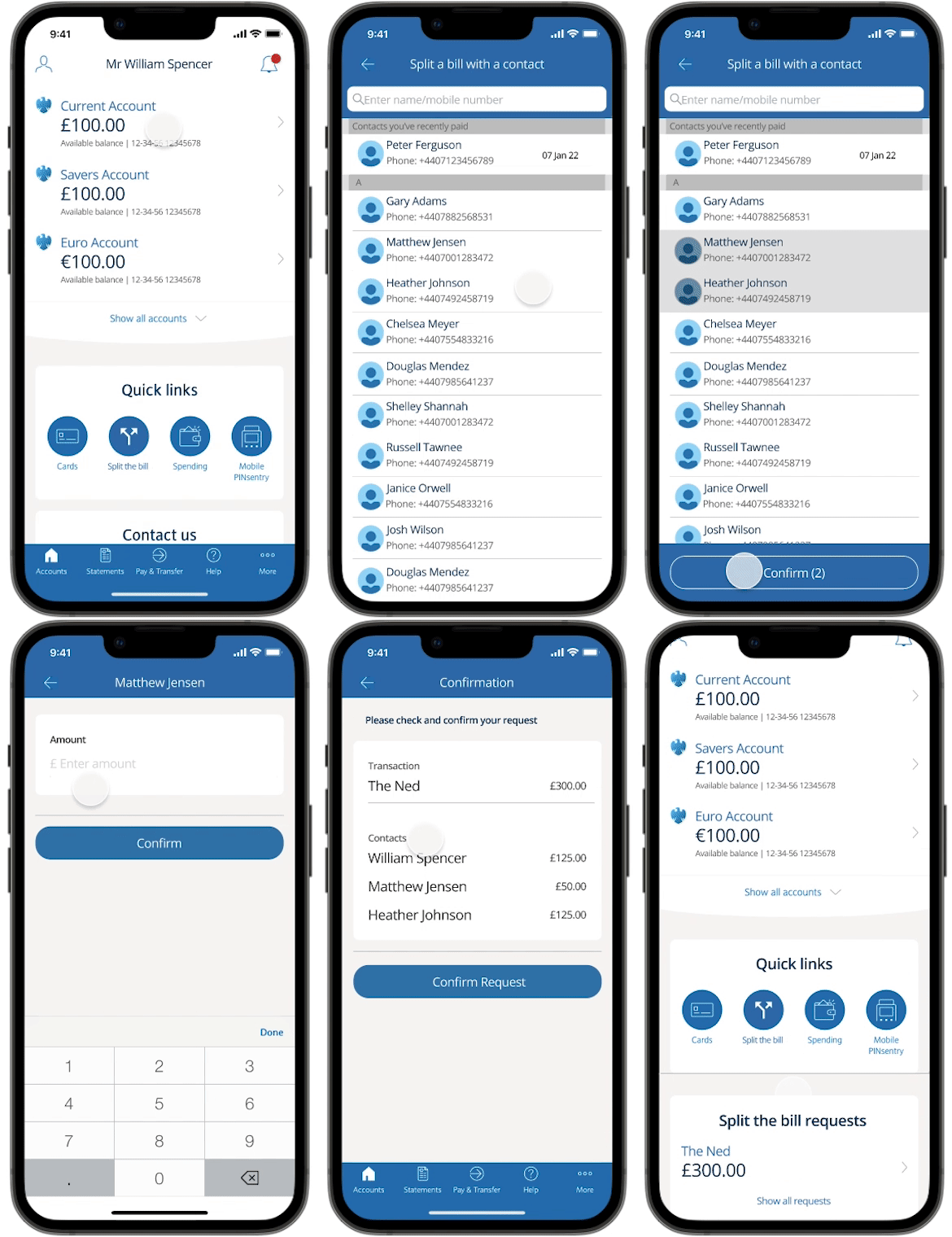
- Pick a recent transaction and assign contacts to it
- Send payment requests
- Decide how much each contact should pay
- Send automatic reminders if someone has not paid within a week
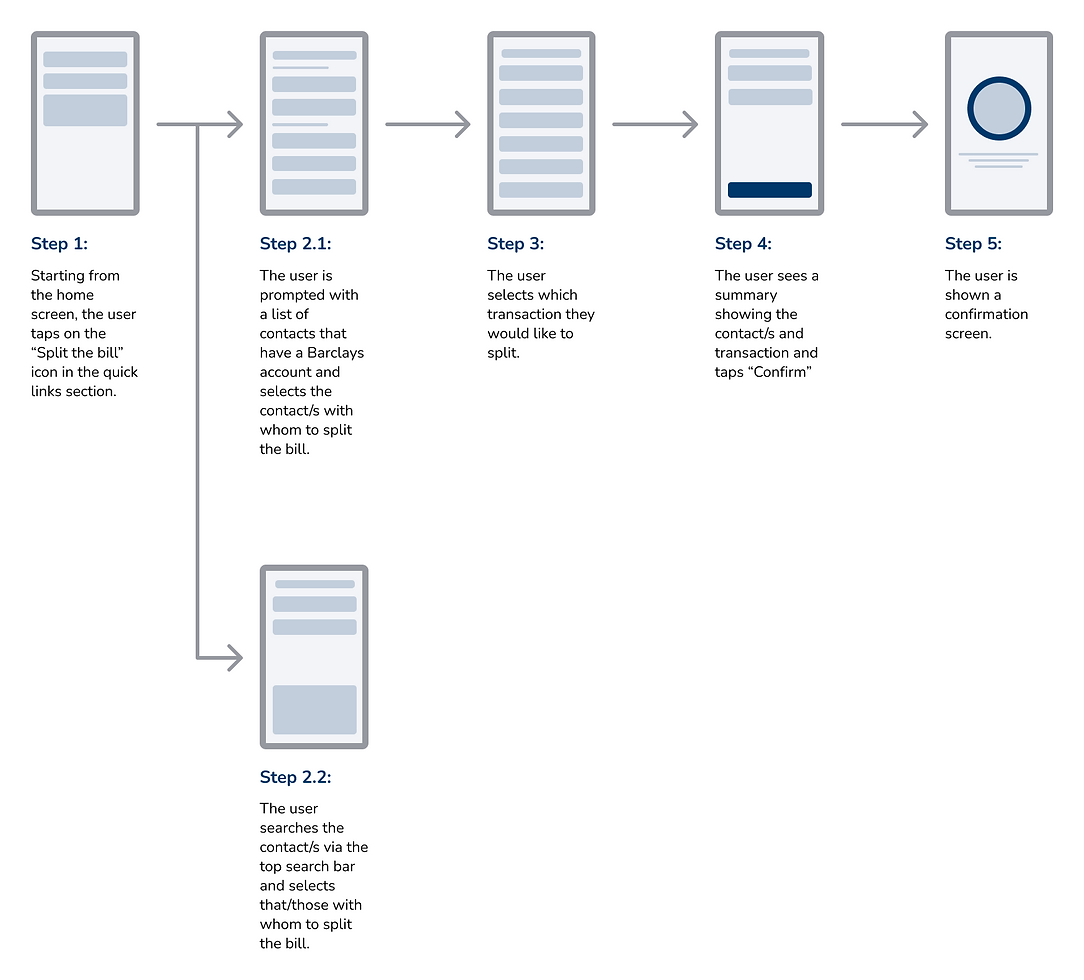
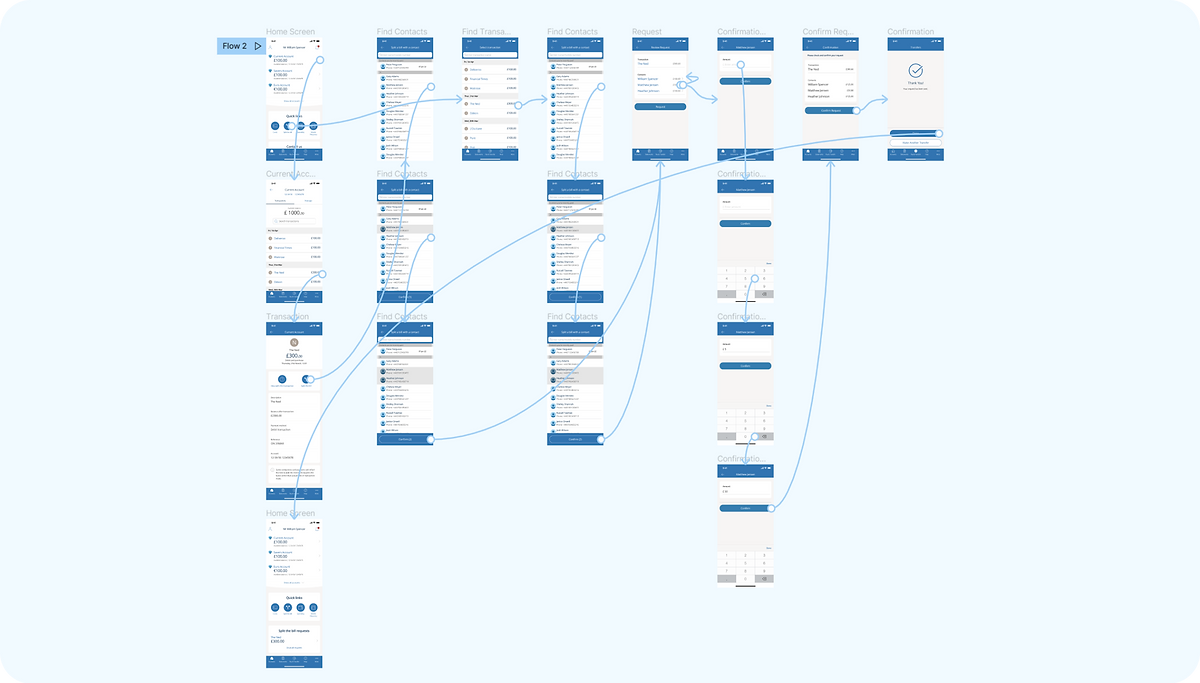
User flows
Sketches
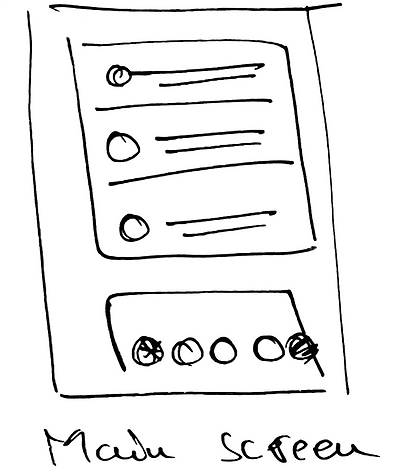
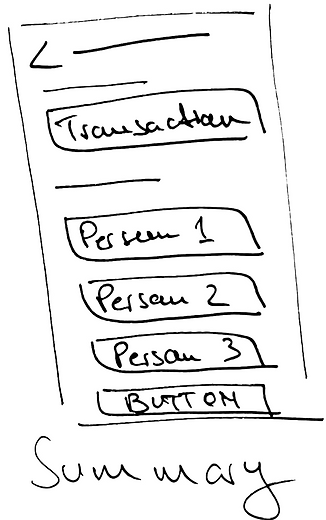
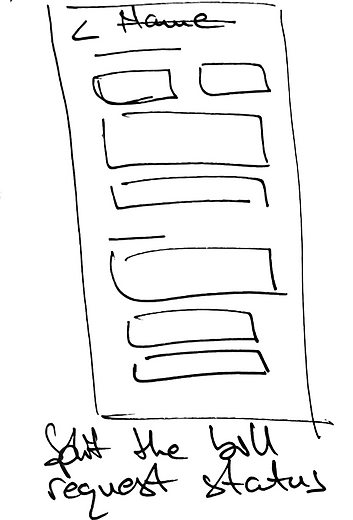
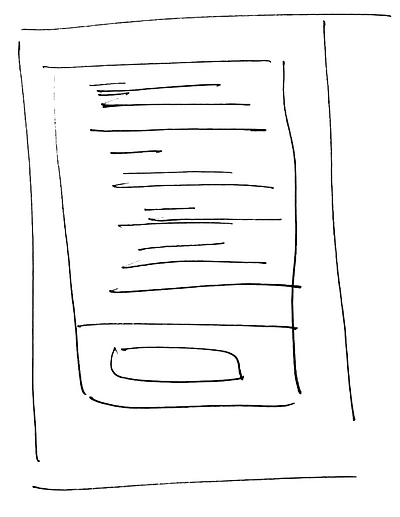
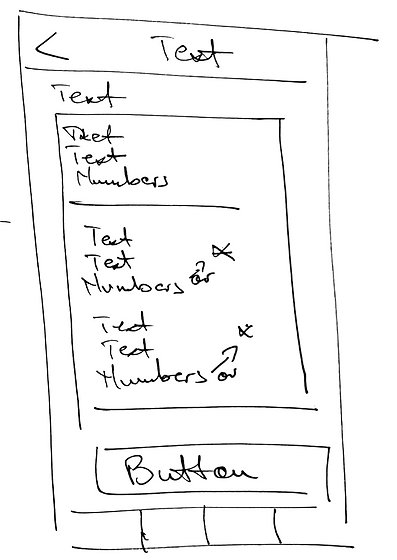
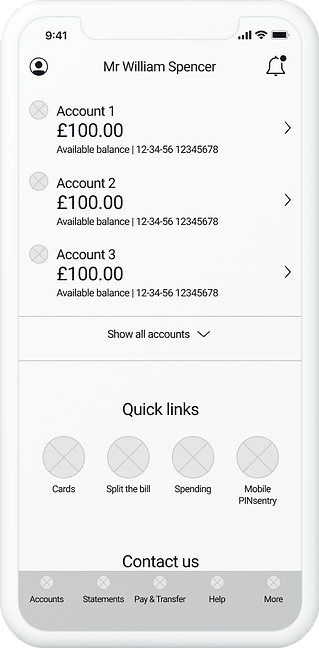
Wireframes
User interfaces
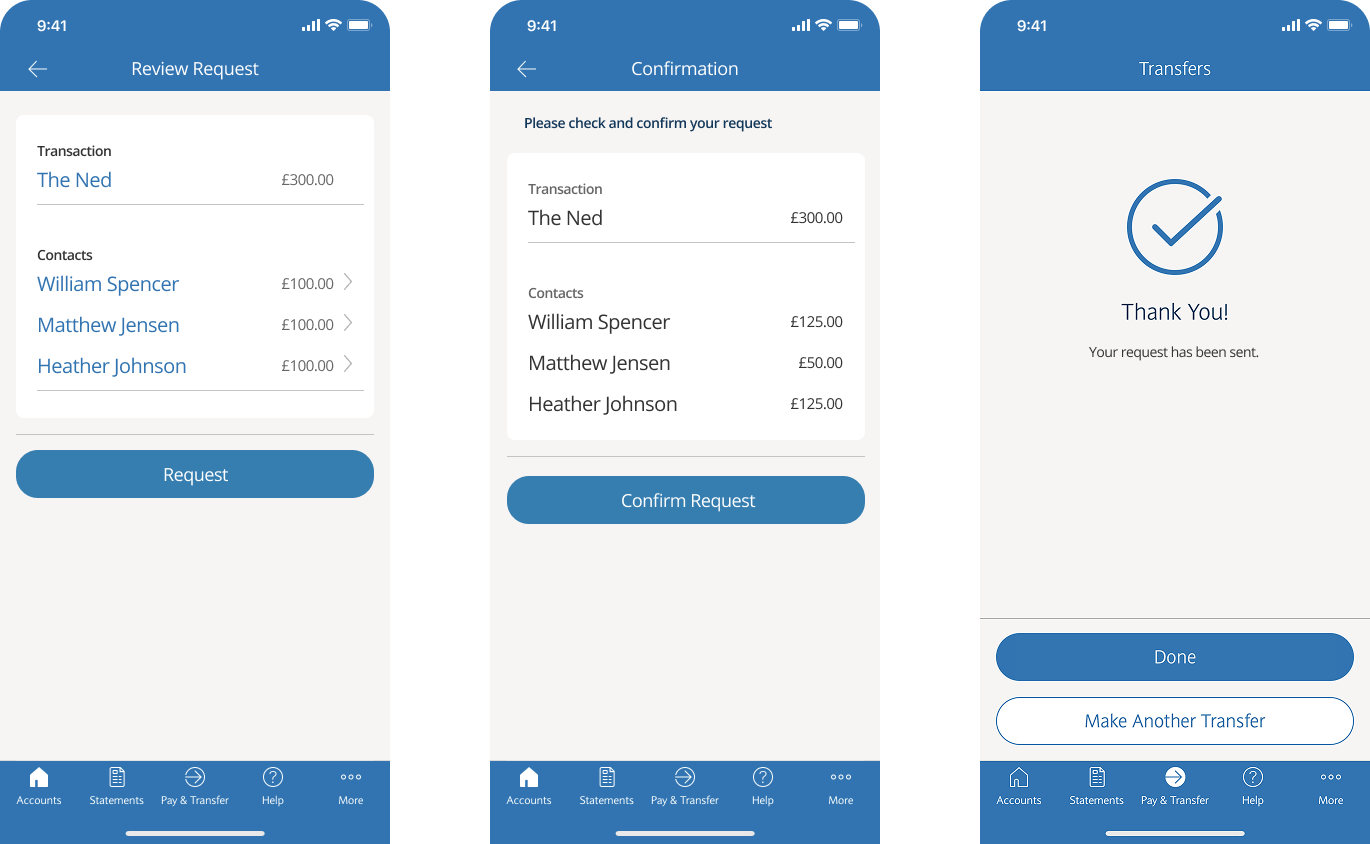
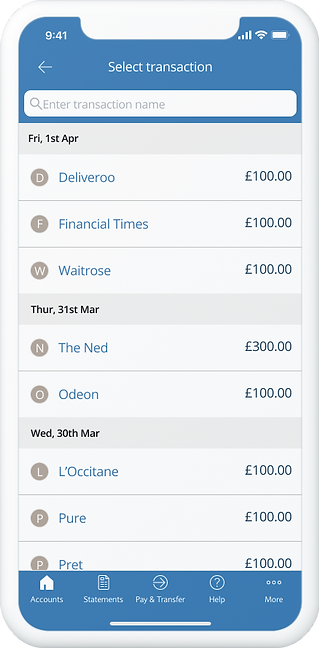
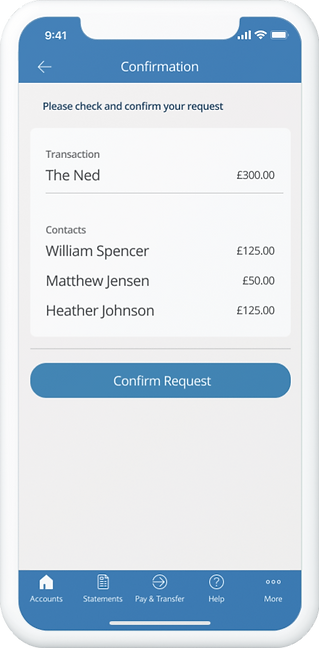
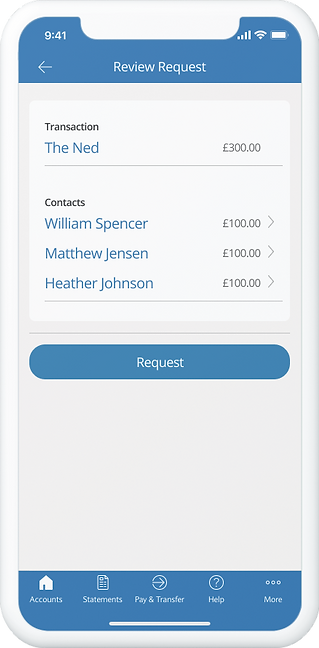
Usability testing
Five moderated remote sessions on the high-fidelity prototype. Task: split a night out at The Ned on 31 March across you and two friends—attribute only £50 to Matthew Jensen. Afterwards, questions covered what appealed most, what was hardest, surprises, improvements, gaps, and whether they would keep using it.
Measuring success
- Do users adopt split-the-bill or fall back to their old approach?
- Of users who start the flow, what share completes it?
- Is the process easy—could it be simpler? How long do steps take? (e.g. analytics, session recordings)
- Do users keep using the feature after 3, 6 or 12 months?
Conclusion
Feedback was strong: the flow felt simple and intuitive. People liked that changing one person’s share recalculated everyone else automatically, and they could see it helping in social situations and reducing awkwardness. Some wanted to enter each friend’s amount manually for more control—that became clear input for a future iteration.