Personal project · Mobile
Signal
Visual-first music platform for independent artists and the fans who want to discover and support them.
Overview
I created a visual-first music platform for independent artists and the fans who want to discover and support them. Instead of recreating a traditional streaming app, I explored how discovery, listening, release and artist support could live in one connected ecosystem.
Part of the motivation came from my own perspective as an independent artist and from how streaming tends to promote what already sells instead of taking real risks on new talent. I focused on how smaller artists get discovered, present their work and turn attention into meaningful support.
Problem
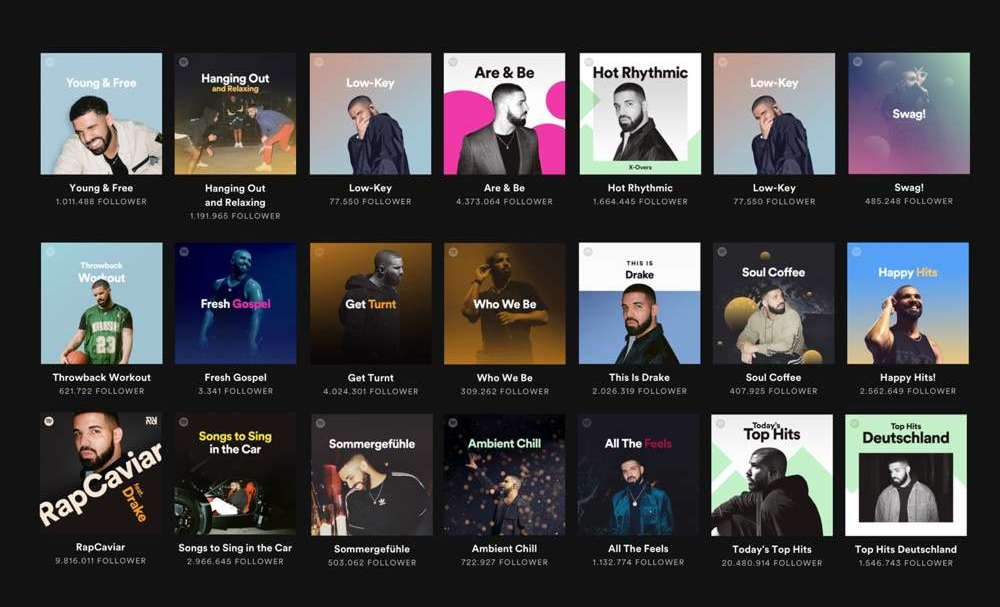
Most streaming platforms are strong on convenience but weaker at helping independent artists stand out or earn directly from the people listening. Discovery often feels repetitive, artist pages feel shallow and support is usually pushed outside the product into separate channels.
The challenge was to design a product that gives listeners a richer way to discover music while also giving artists clearer tools to release work, understand performance and monetise their audience.
Idea
I framed the concept as a visual-first platform for independent music, designed as a two-sided ecosystem rather than a listener app alone. On the listener side, the experience is built around artwork, scenes, mood and artist identity. On the artist side, it gives creators a simple way to upload music, track release performance and receive support directly through the platform.
This shifted the concept away from being an indie Spotify and toward something more focused: a platform where discovery, playback and support reinforce each other. The goal was to create a tighter loop between discovery and sustainability, where listening can lead naturally into follow, purchase, or support.





Design principles
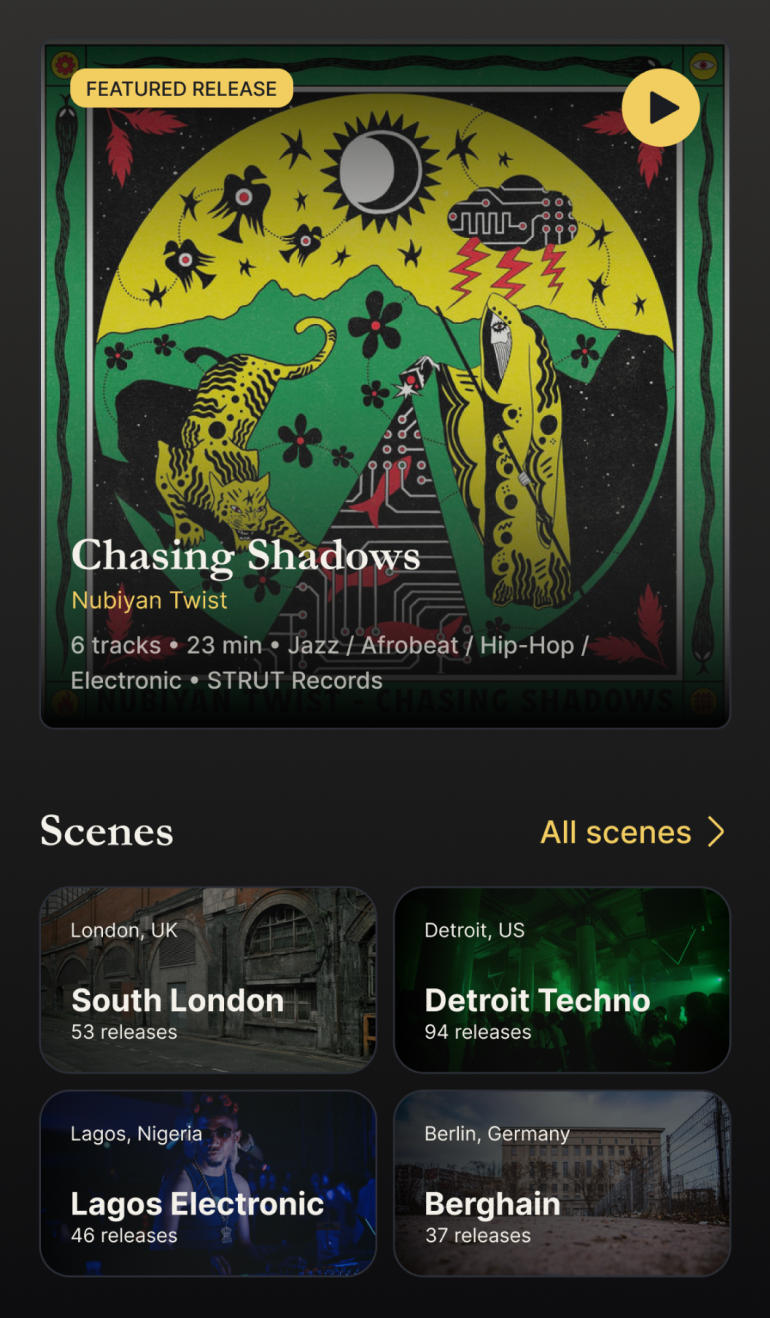
Visuals should lead discovery. Artwork, scenes and atmosphere should pull users into music before metadata does.
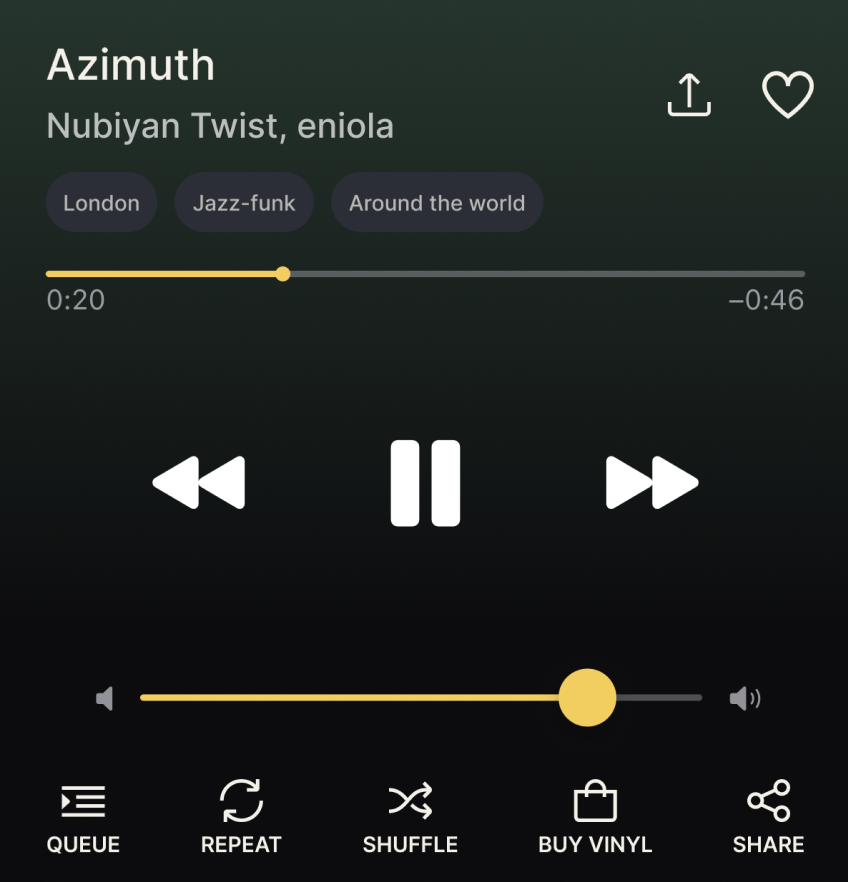
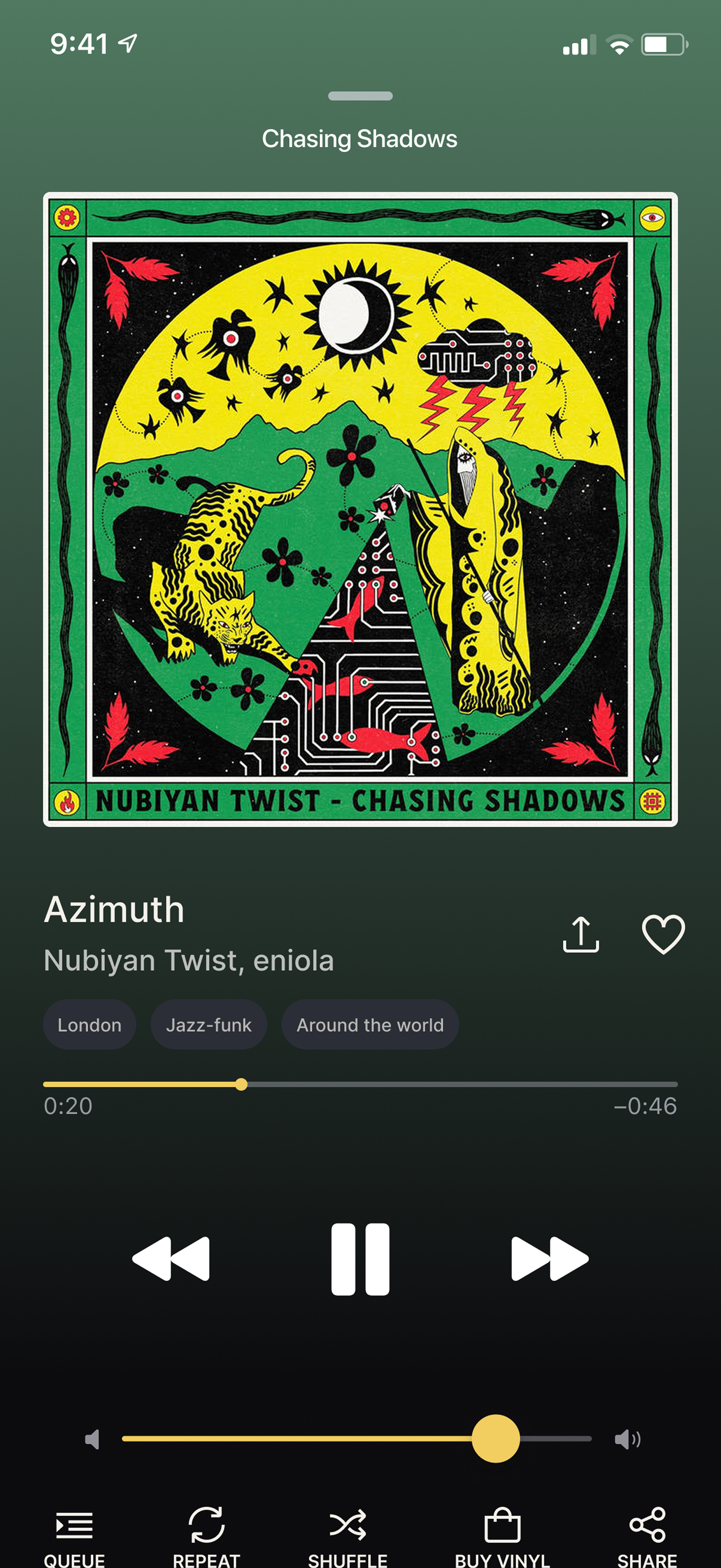
Listening should stay effortless. However expressive the product becomes, core playback needs to remain clear and familiar.
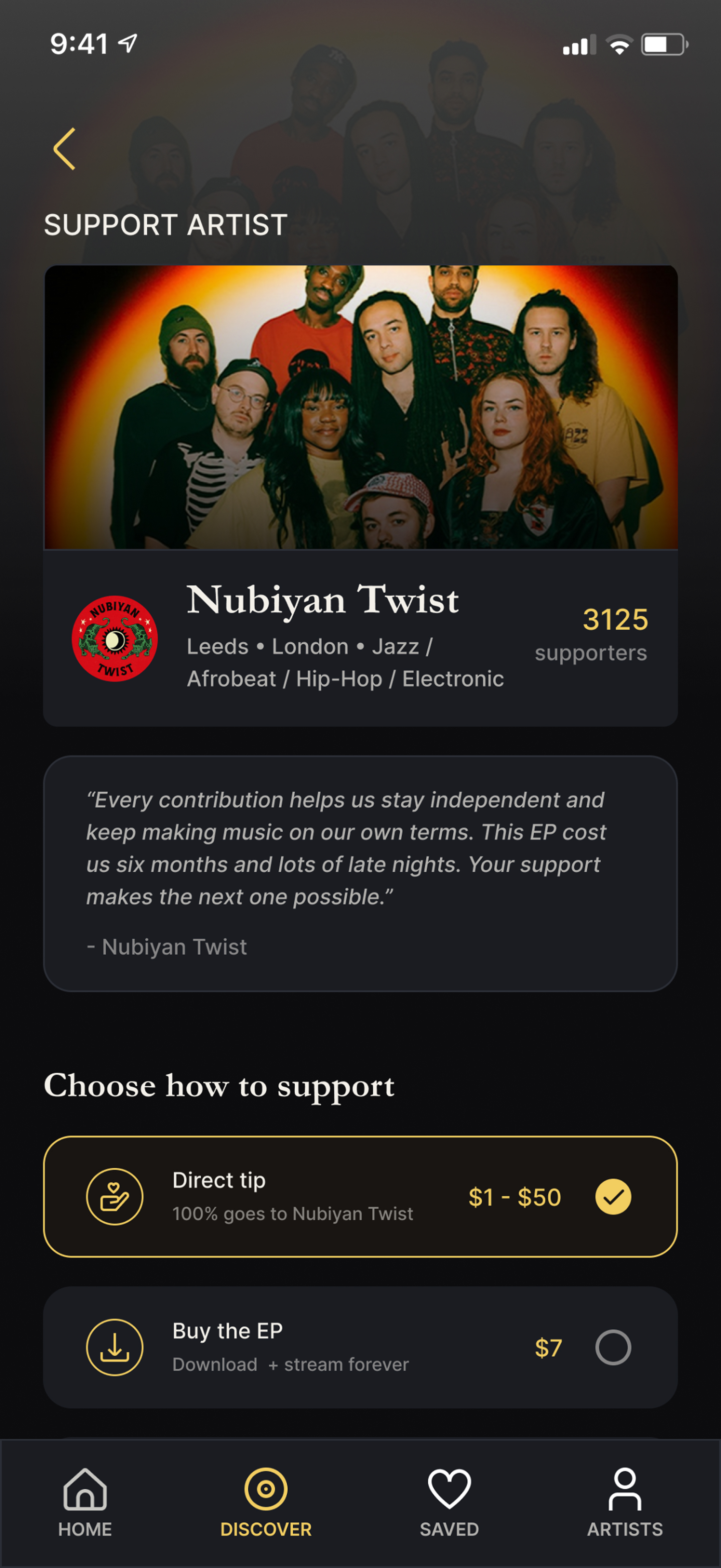
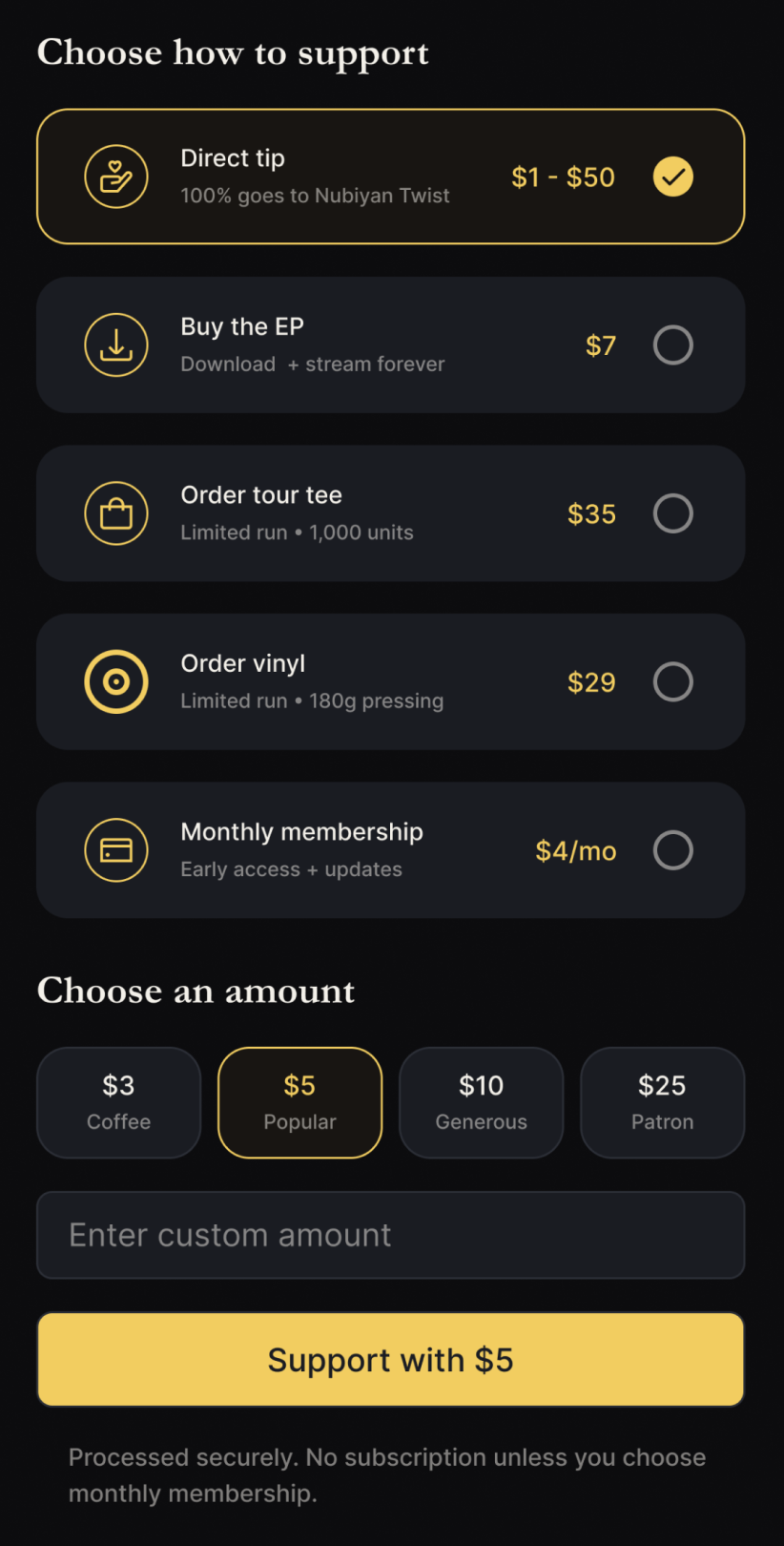
Support should be built into the experience. Fans should be able to tip, buy, or subscribe without leaving the product or breaking the emotional flow.
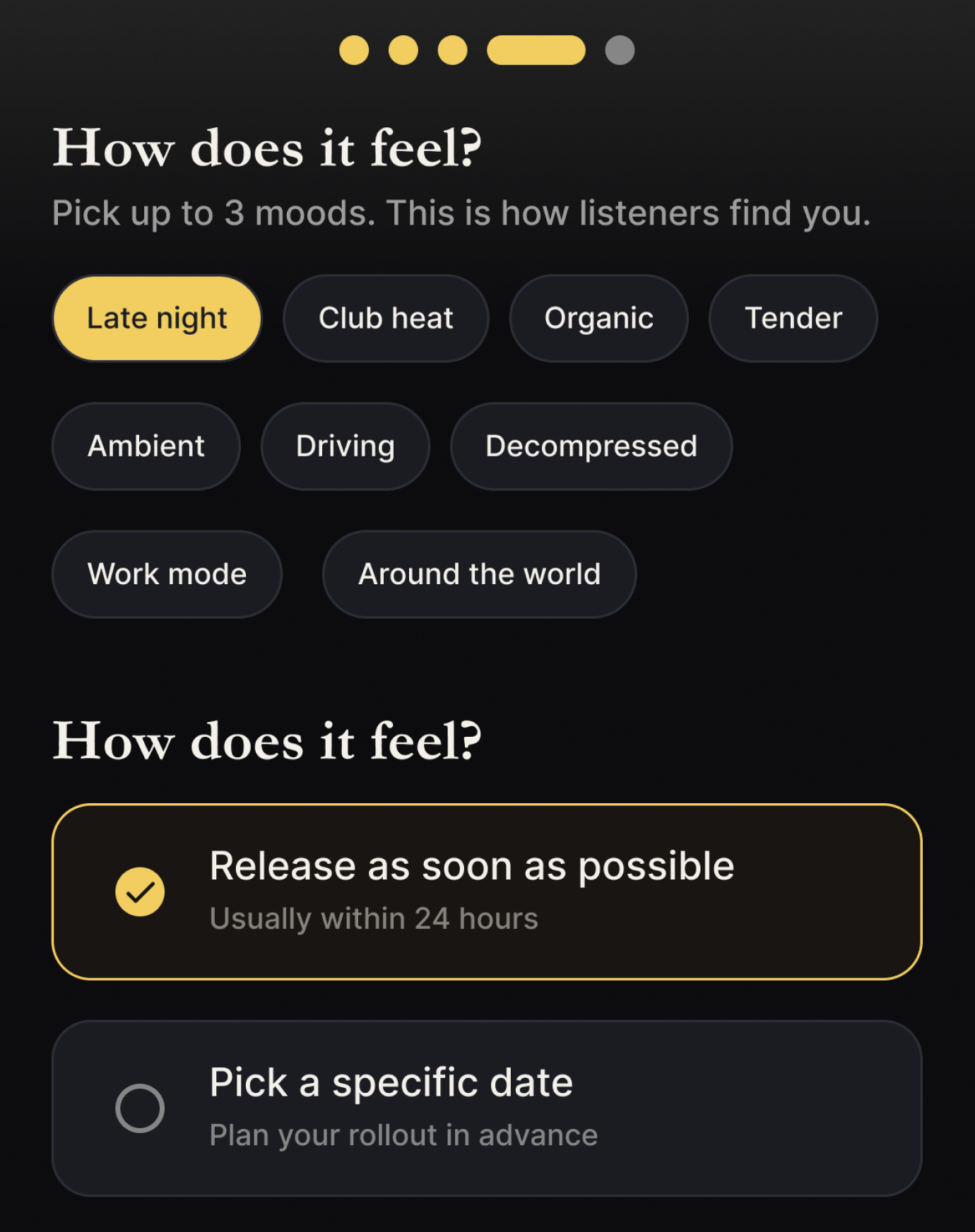
Artists should feel in control. Uploading, managing releases and understanding earnings should feel simple, transparent and encouraging.
Solution
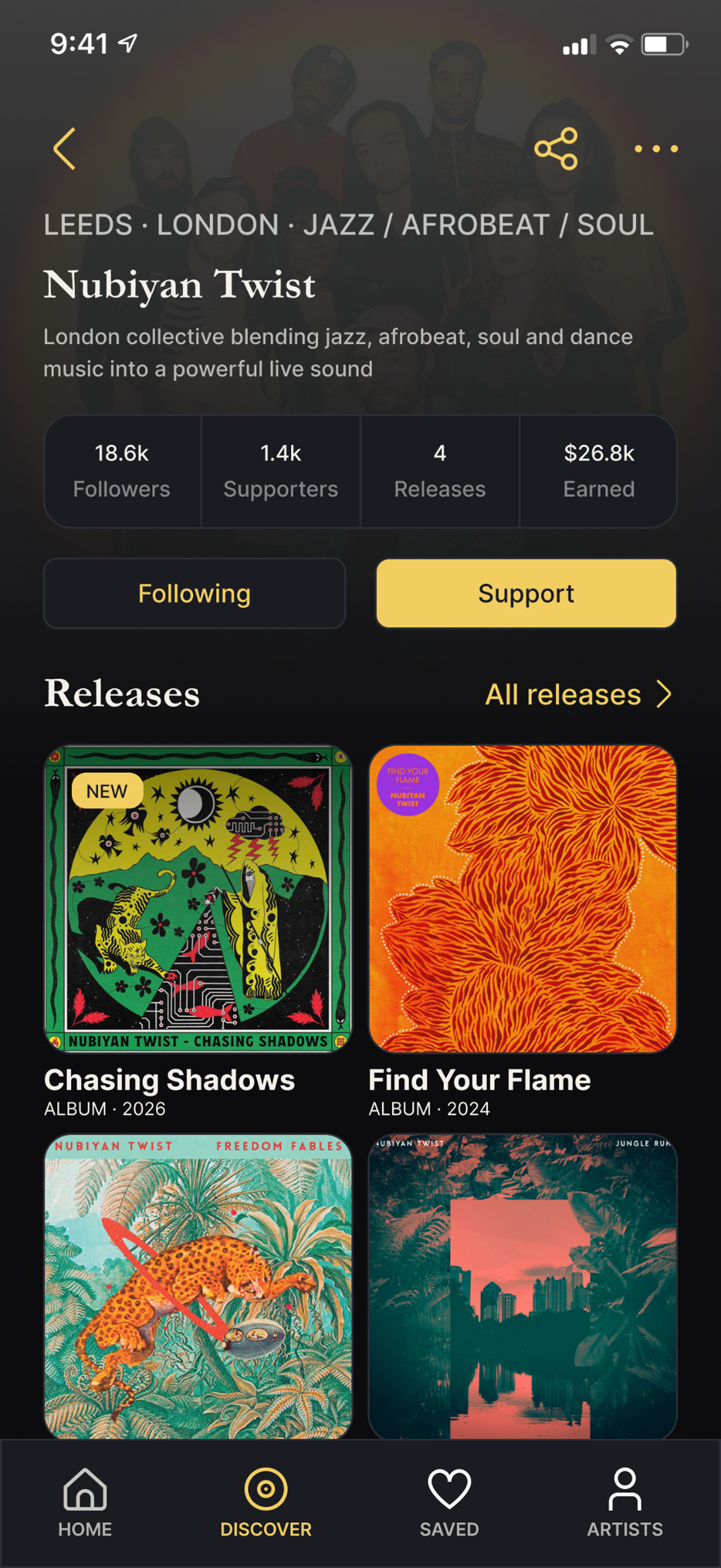
I designed the concept as a two-sided product for both listeners and artists. On the listener side, the experience is built around visual discovery, artist profiles, immersive playback, release pages and direct support flows. On the artist side, it includes a lightweight upload flow and a dashboard for tracking earnings, release performance and supporter activity.
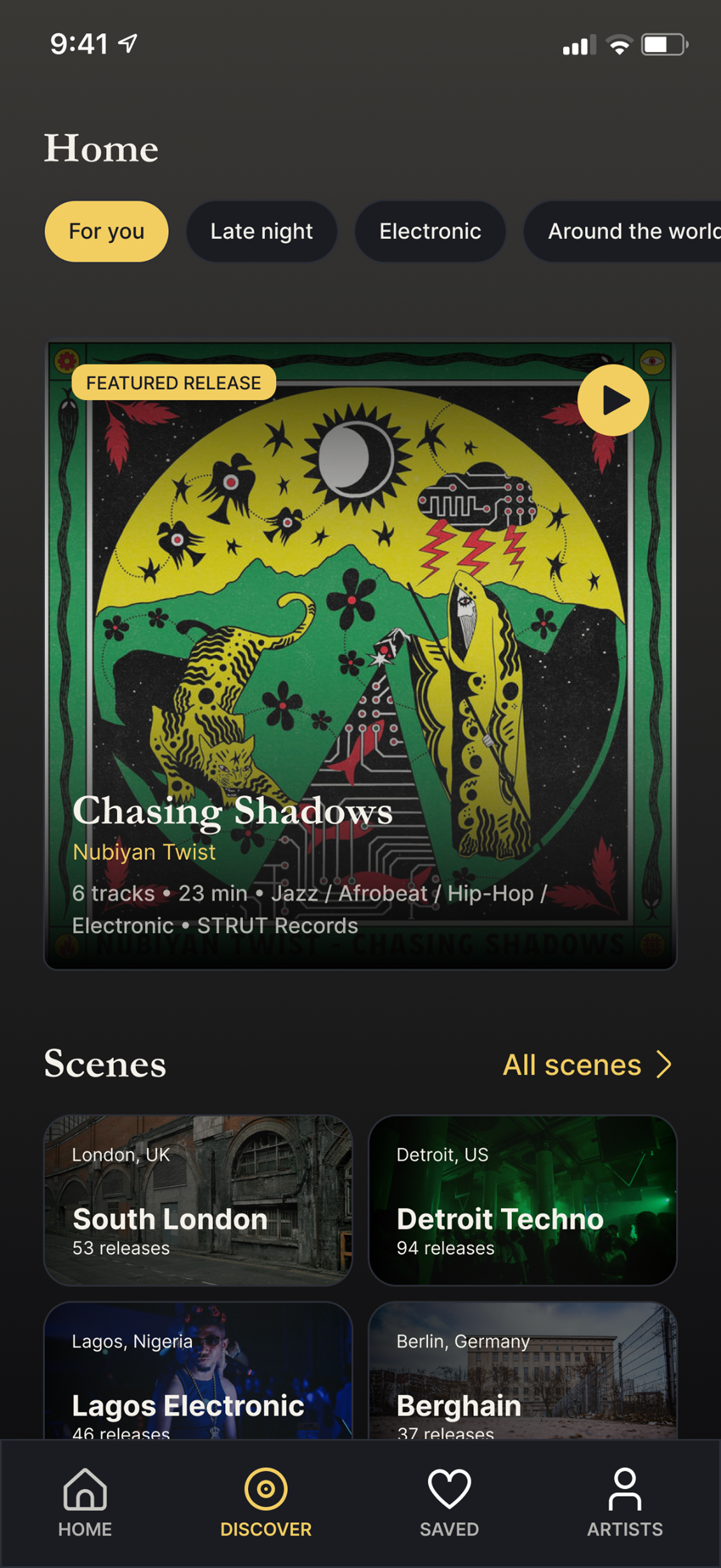
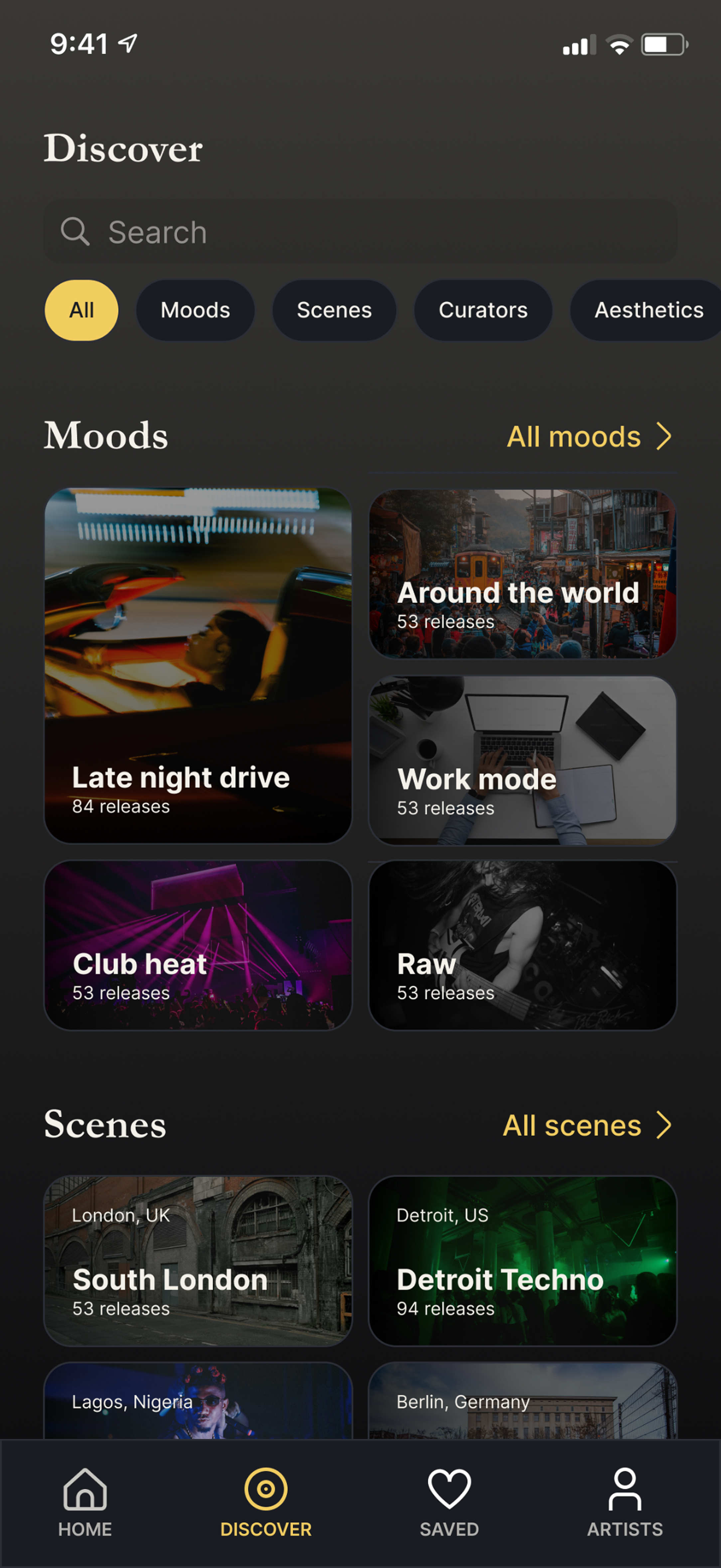
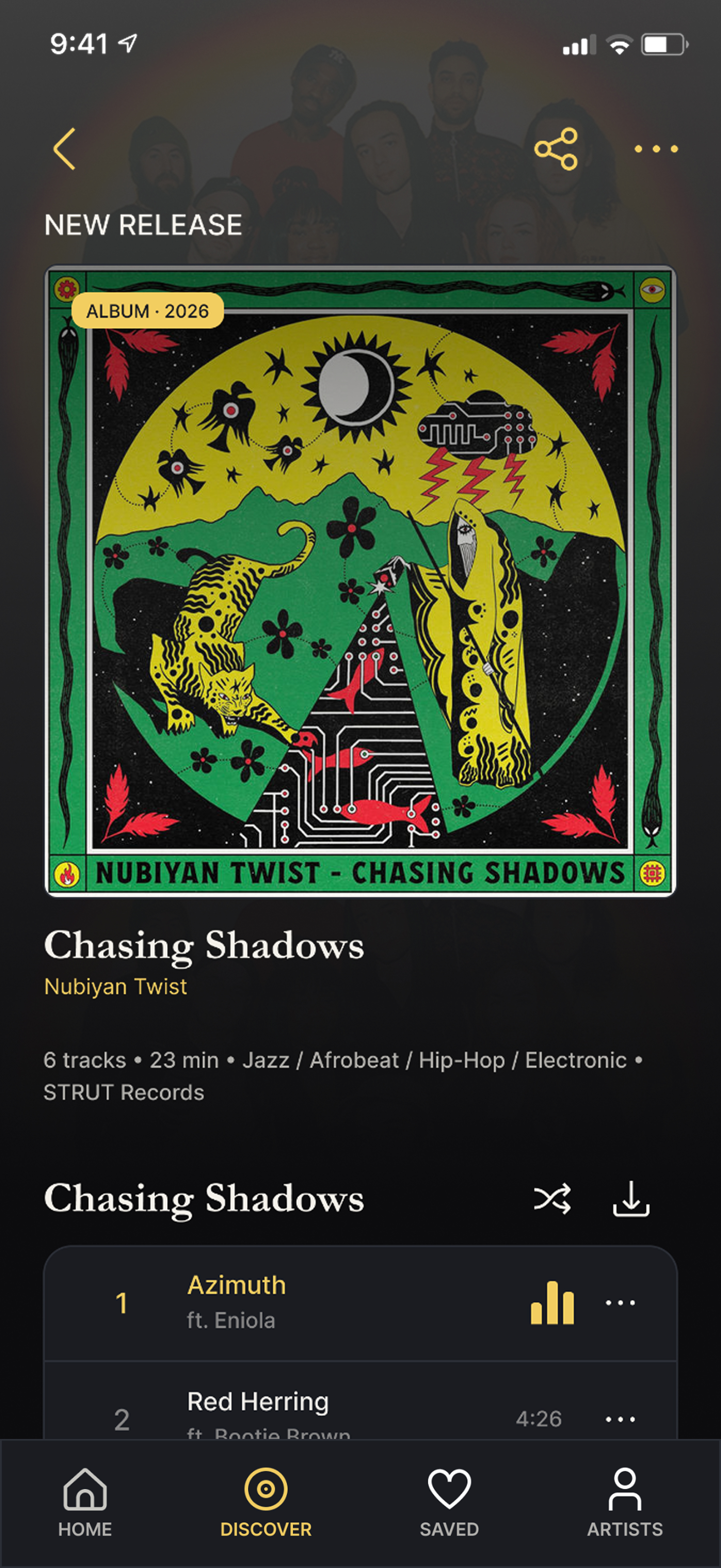
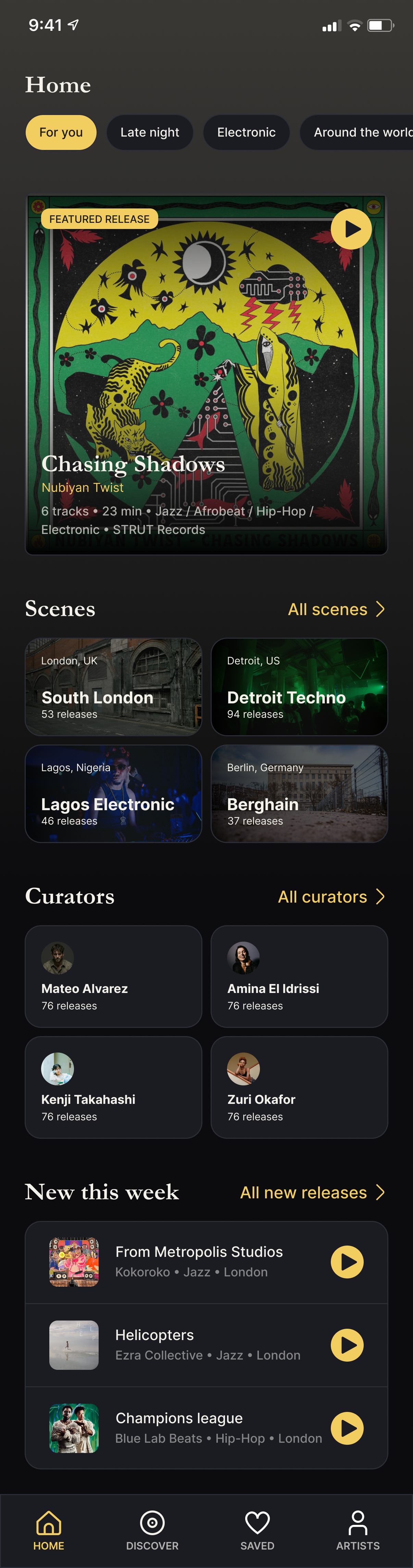
The core listener journey starts with the Home and Discover screens, where music is surfaced through artwork, scenes, moods and curators rather than dense lists. From there, users can move into the Artist Profile, Player and Release Page, which create more space for identity, context and listening.
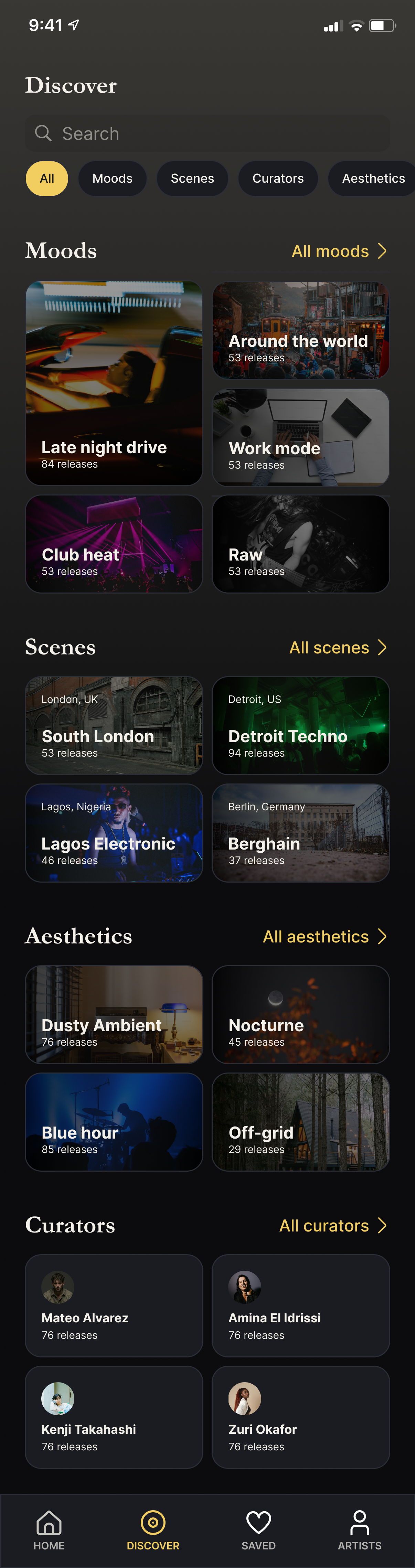
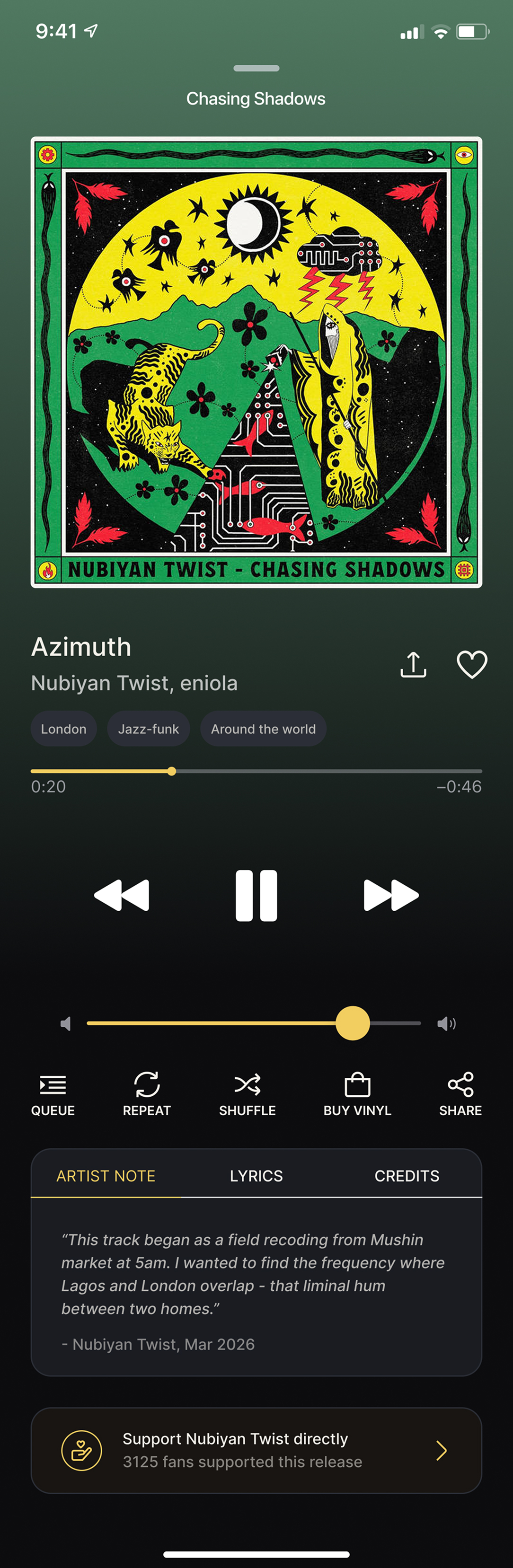
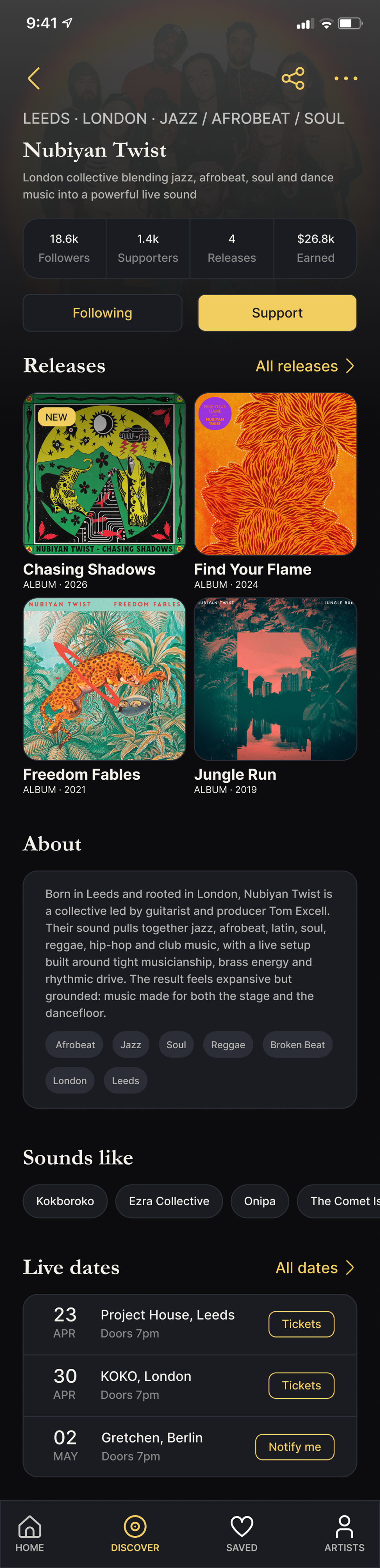

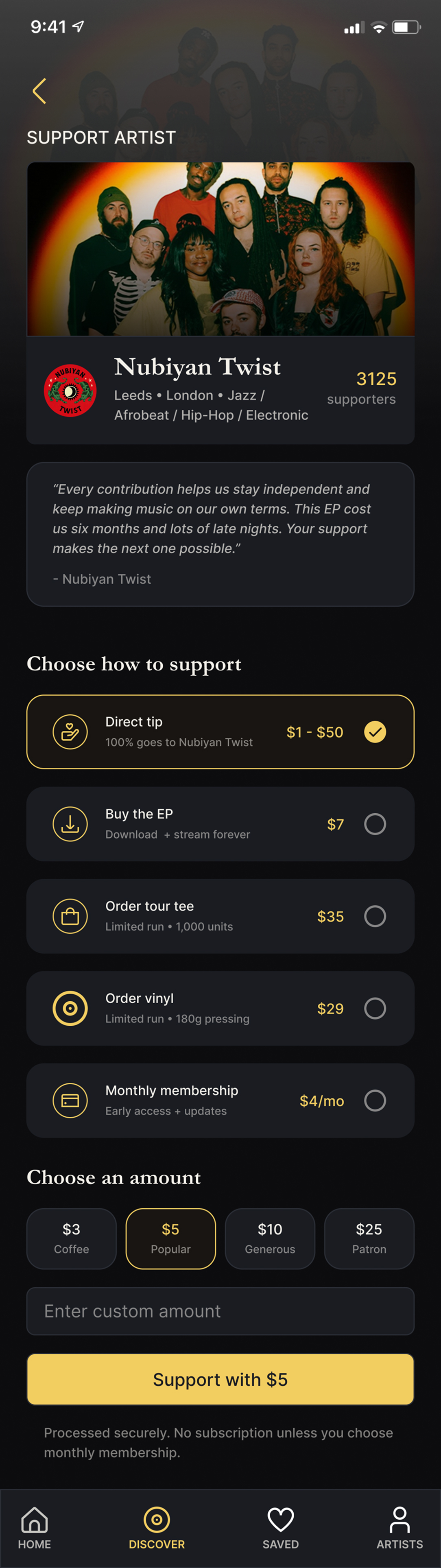
Support is built into the same journey through flows for tips, merch, vinyl and memberships, allowing fans to act on interest without leaving the product.
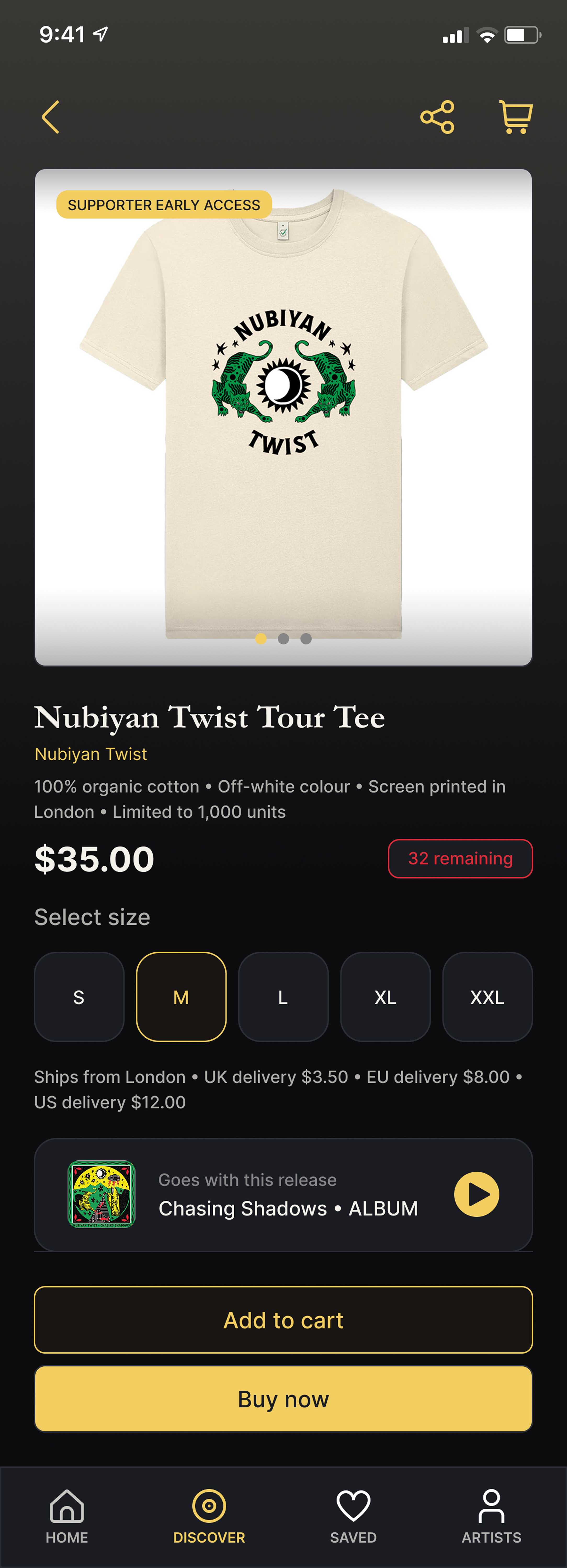
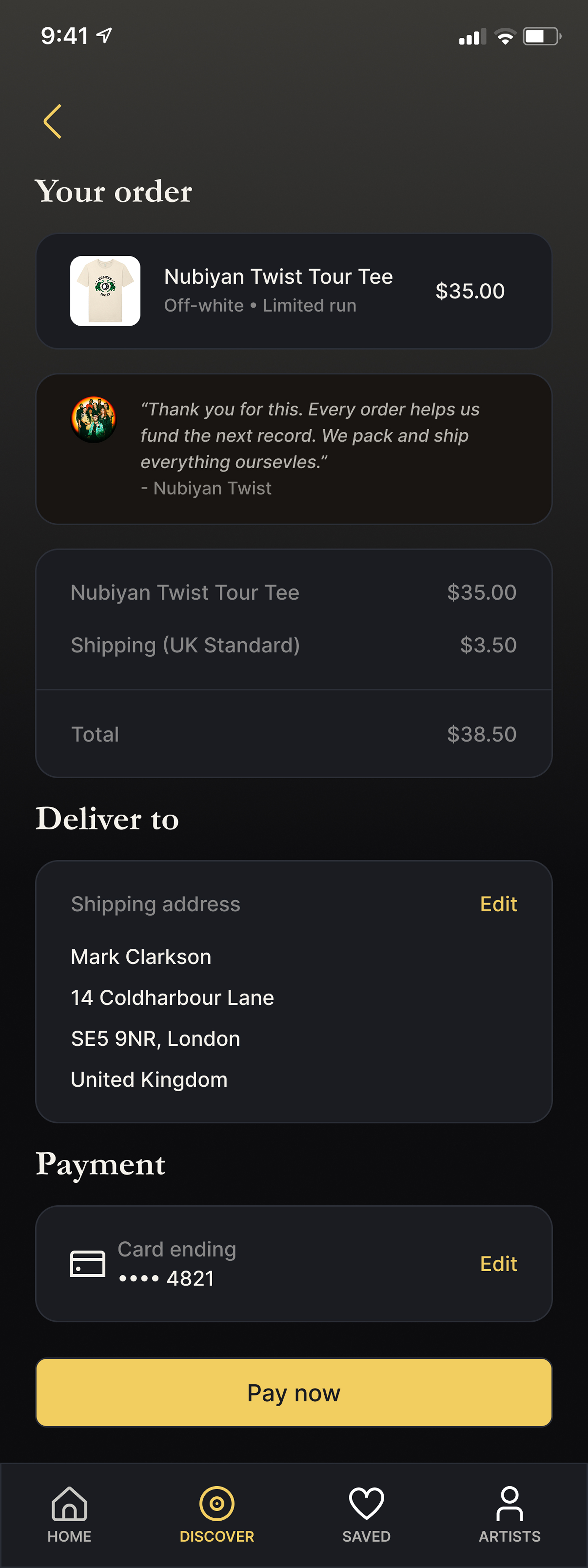
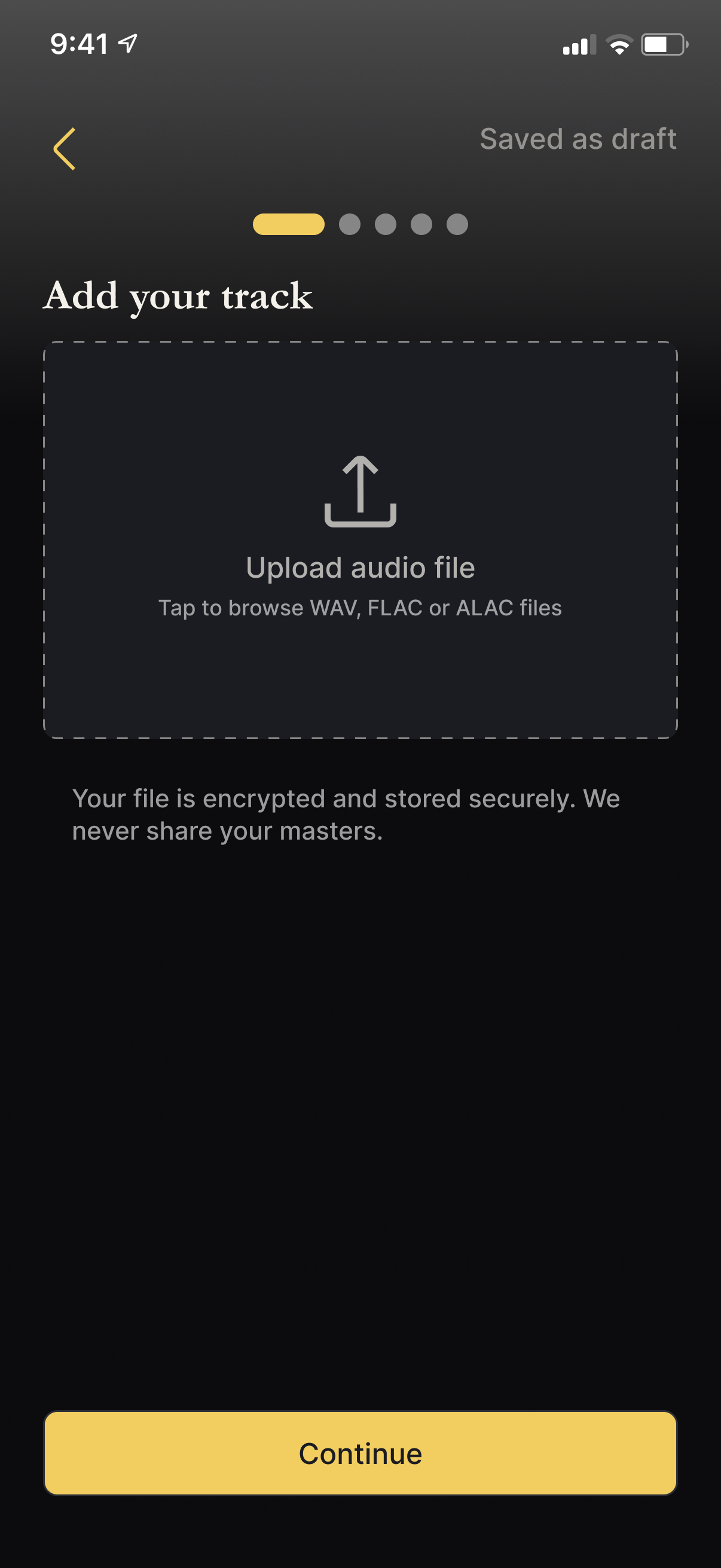
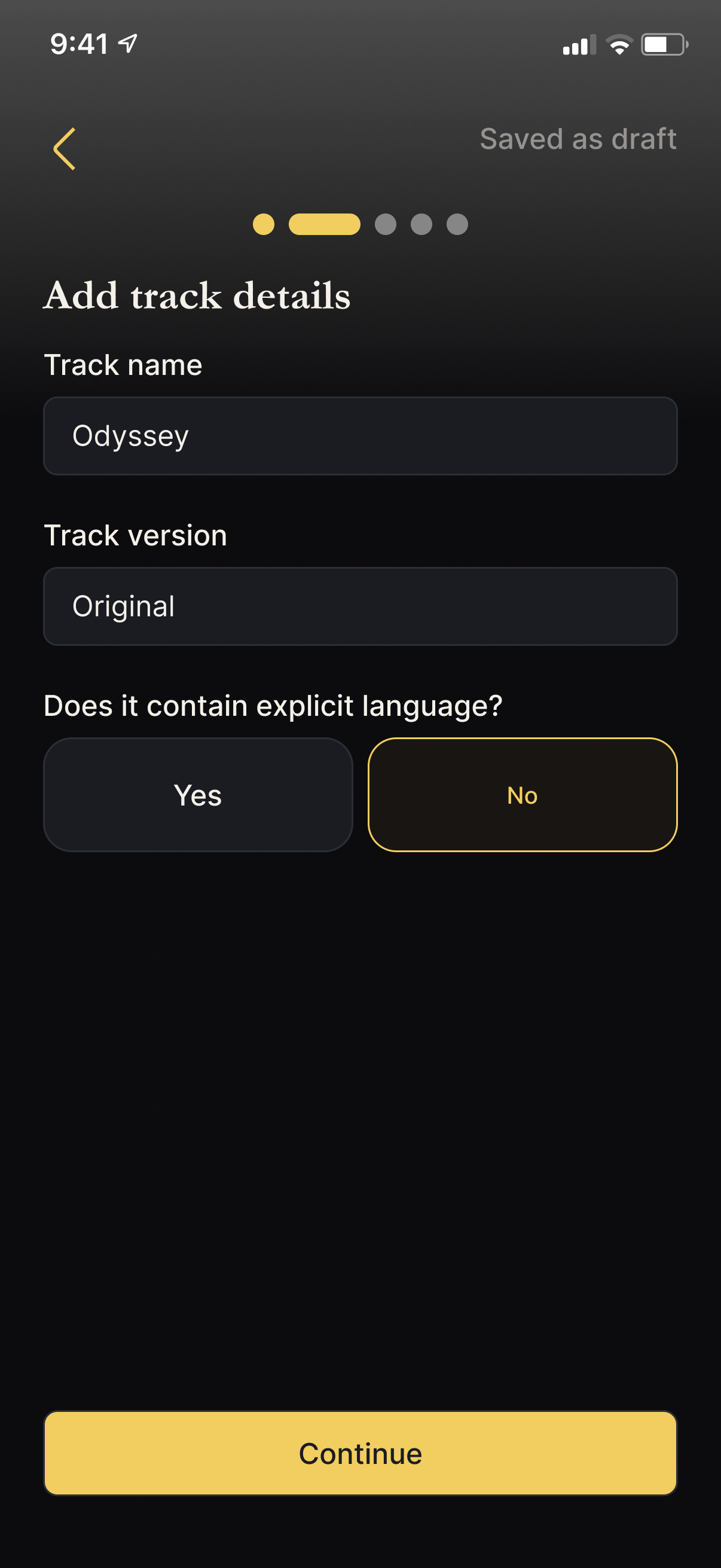
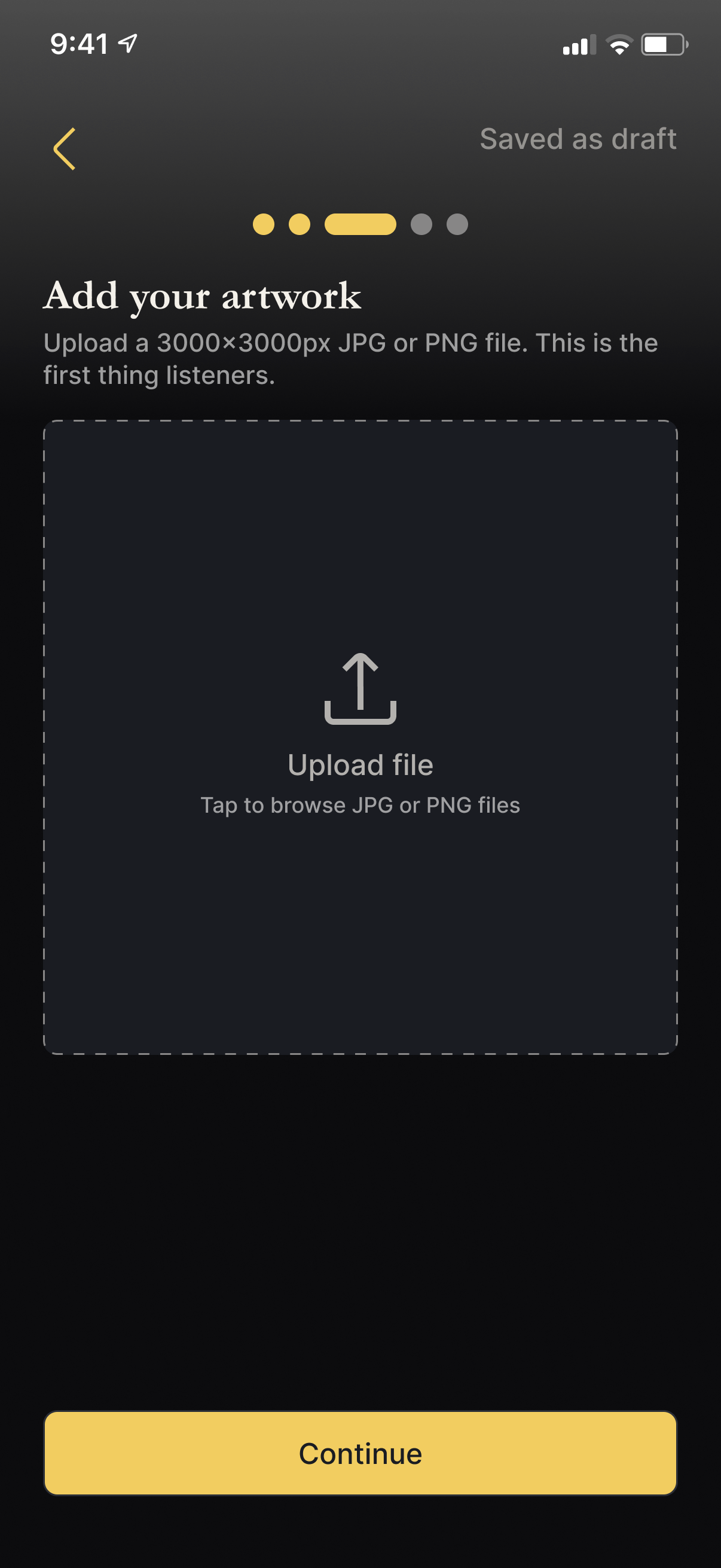
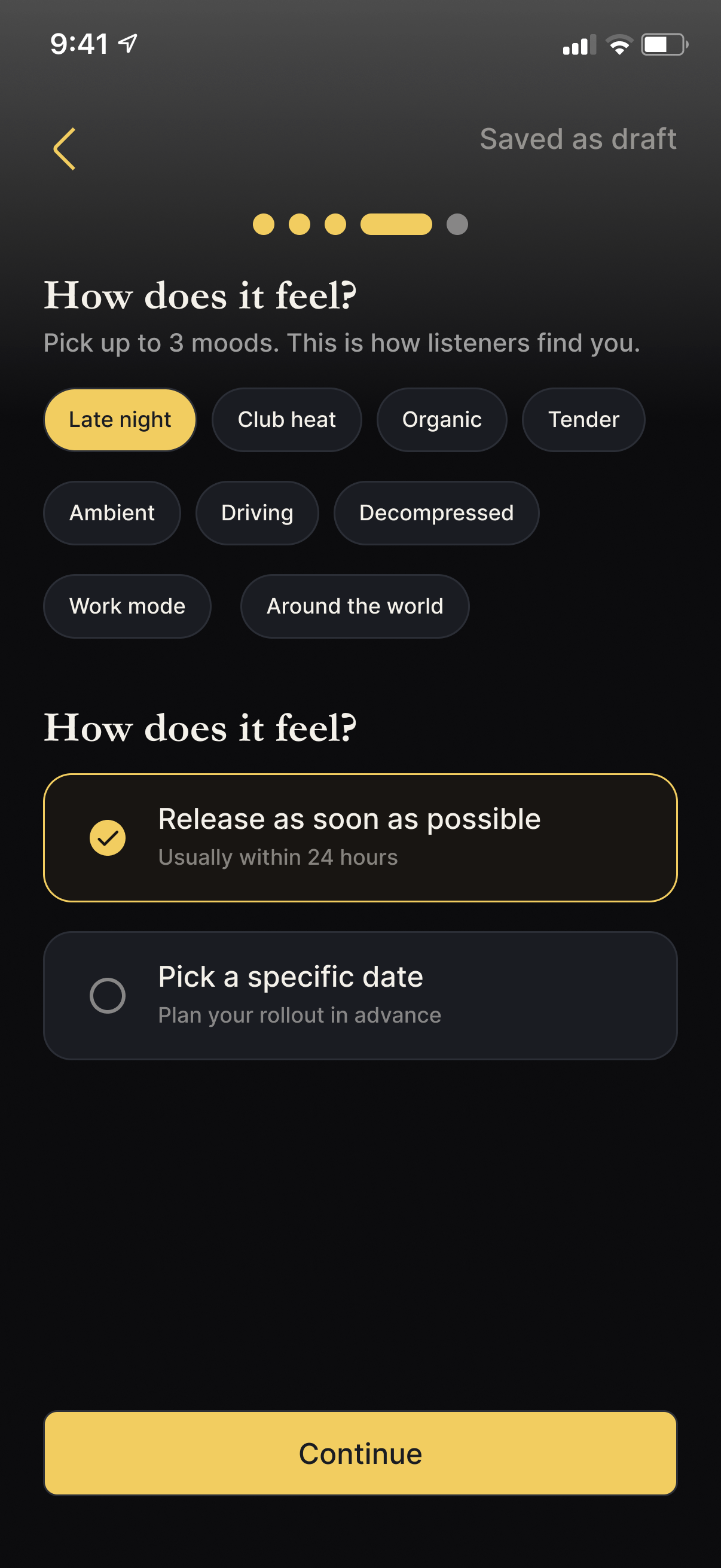
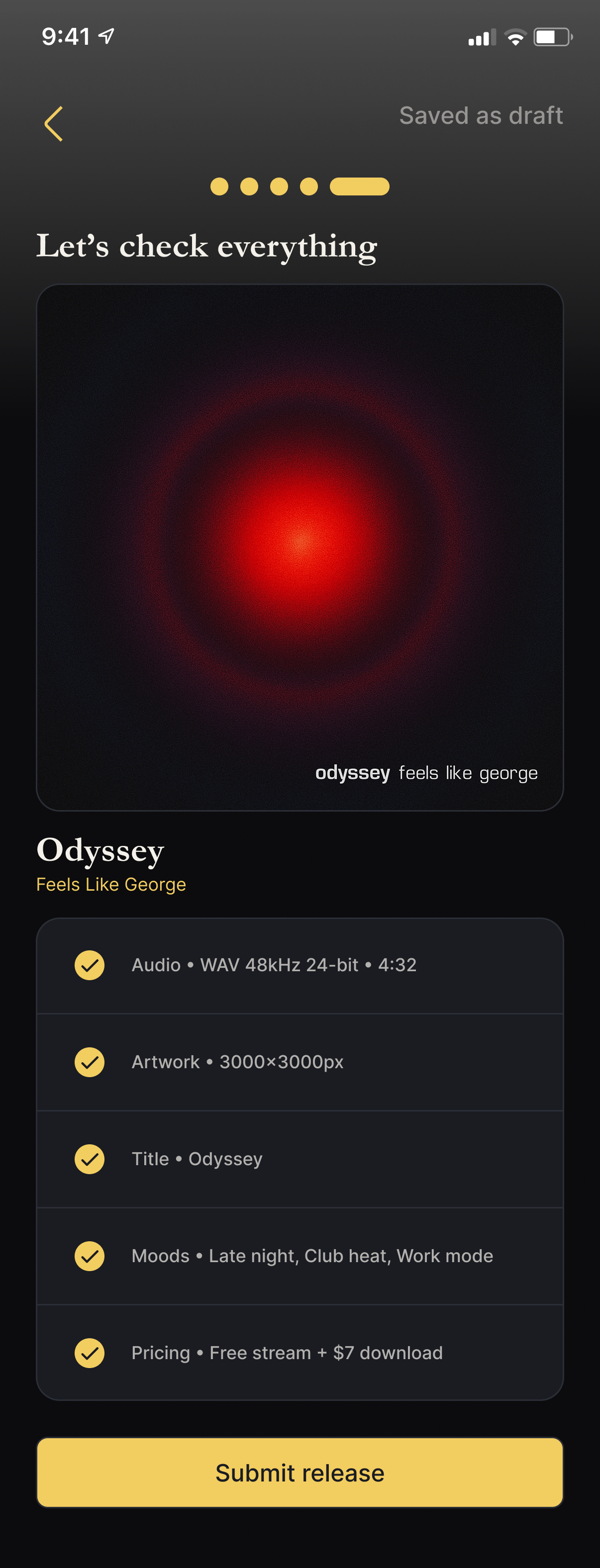
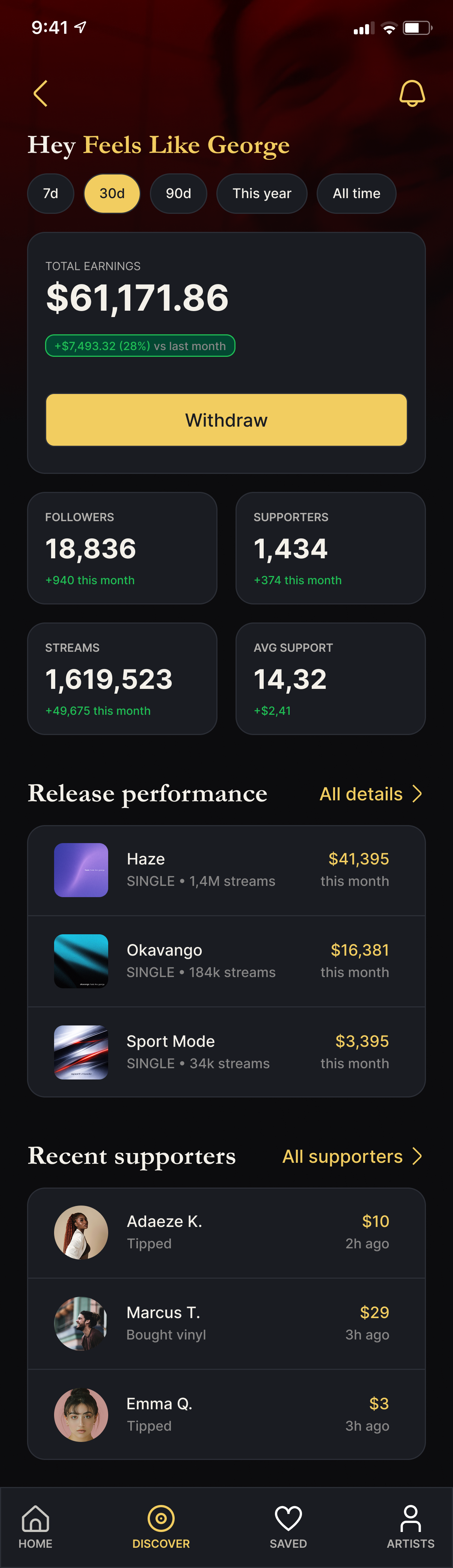
The artist side completes the system. The Upload flow makes it easy to add a track, artwork, moods and release timing, while the Dashboard gives artists a clear view of earnings, release performance and recent supporters. Together, these screens turn the concept from a streaming interface into a connected ecosystem where discovery, release and support reinforce each other.
Outcome
This project helped me think beyond interface design and focus more clearly on product structure, incentives and platform balance. The concept became much stronger once I treated support as a core product pillar rather than an add-on. It also pushed me to design not just for consumption but for the relationship between creators and listeners.
Reflection
If I developed the concept further, I’d test how listeners respond to the different support options, refine how much artist performance data should be visible publicly and explore how artists manage releases beyond single-track uploads.
The biggest takeaway was that the opportunity is not simply to make music discovery look better but to build a better system around independent music itself.